 Everyone hates weeds. We hear and read that the presence of weeds is harmful to the landscape. But, are there any weeds that have benefits to the landscape? Here’s what we’ve learned.
Showing posts with label The GroundsKeeper Inc.. Show all posts
Showing posts with label The GroundsKeeper Inc.. Show all posts
Monday, July 26, 2010
Weeds Are Always Bad, or Are They?
Everyone hates weeds. We hear and read that the presence of weeds is harmful to the landscape. But, are there any weeds that have benefits to the landscape? Here’s what we’ve learned.

Friday, July 23, 2010
New Team Member!

We are pleased to welcome Justin Littlehale to the TGK team as our new Commercial Account Manager. Justin found his way into the green industry after working at an office job, where sitting inside looking out wasn't good enough! He quit his desk job and started his own landscape company which he ran for the last 10 years.
Justin brings a new skill set to The GroundsKeeper - he is ICPI certified. The Interlocking Concrete Pavement Institute (ICPI) is the North American trade association representing the interlocking concrete paving industry. We are excited about the skills, training and ideas Justin will bring to our hardscape & enhancements services. He also has his Massachusetts Pesticide license.
According to Justin, his favorite parts of his job are the ability to work outside with nature, and the instant gratification he gets when he leaves a property at the end of the day.
Justin lives in Brockton with his wife Christina and they are expecting their first child in August.
Wednesday, July 14, 2010
MCLP, MCA & MLP - What does it mean?
The very first TGK blog was about certifications, but what do all of those letters (MLP, MCA, MCLP) really mean? Read on to find out why hiring certified technicians is important to your landscape:
Monday, July 12, 2010


Thursday, June 24, 2010
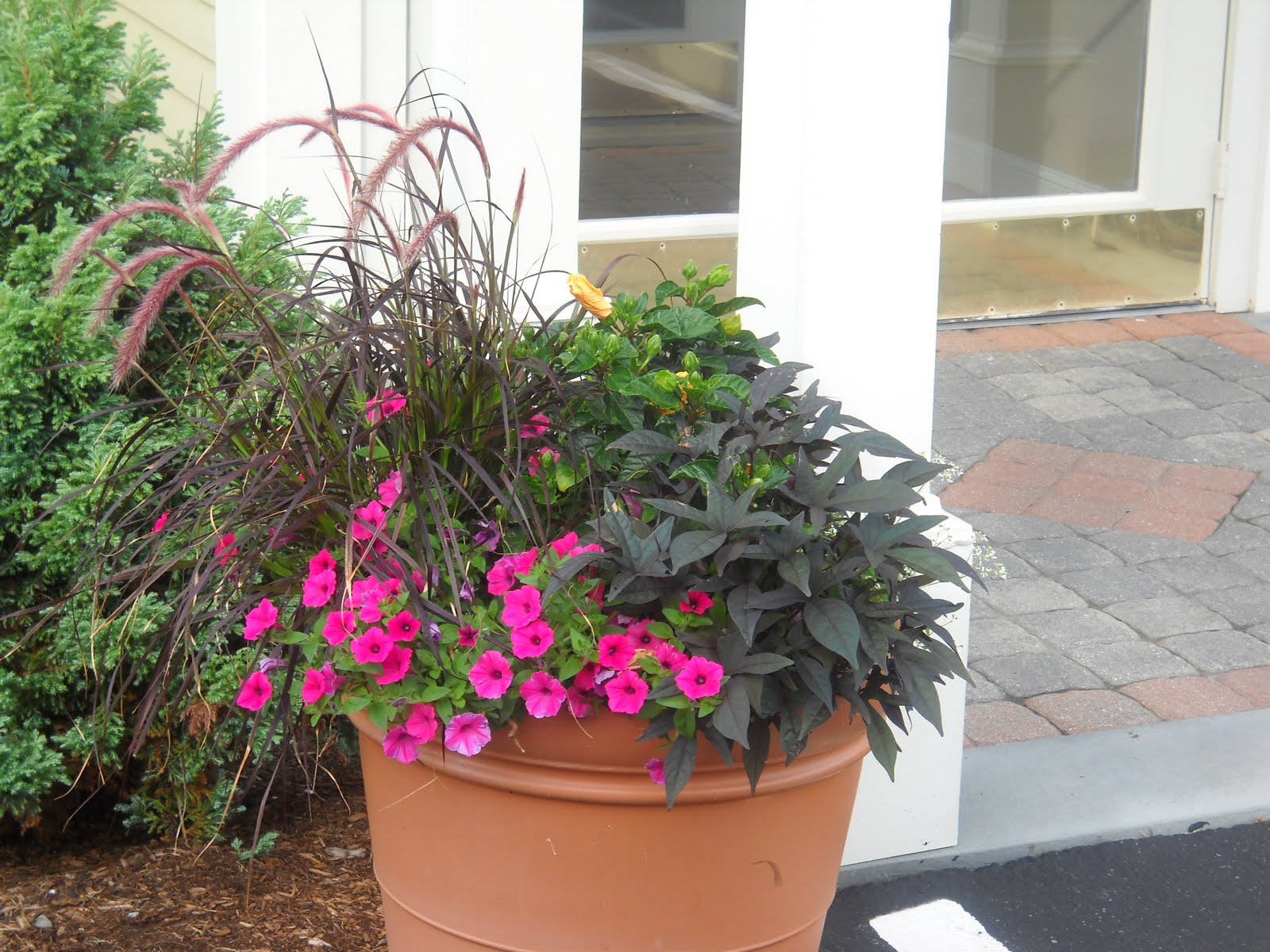
Beautiful Containers
Here are some beautiful and unique containers Lauren has been working on at a new property.

Wednesday, June 23, 2010
Flower Installations
Our crews have been hard at work installing the flowers that we had delivered back in May. Check out their progress!


Monday, June 21, 2010
Pruning: What and When is it Done?

Hard to believe June is almost over, which means it's time to start thinking about mid-summer pruning. So what is mid-summer pruning and why do you need to do it? And furthermore, what are the different kinds of pruning that need to take place throughout the year? I asked Lauren for clarification.
Monday, June 7, 2010
June Landscaping To-Dos

We are often asked about what to do in the yard during each summer month. Now that June is upon us, here are the things you should be focused on getting done!
- Do an irrigation run-through and adjust the controller as needed
- Keep an eye out for mildew, black spot, and insect damage on shrubs and trees. Treat any signs of disease early.
- Round 2 of turf application
- If you mow your own lawn, remember to raise your mowing height to 3.5" when the hot weather arrives to prevent burning as long as possible
- Keep deadheading flowers for regrowth. Once a bloom dies, the plant will devote energy to seed production unless you remove the spent flower.
- Plant hanging baskets, window boxes and containers to add color
- Finish planting new trees and shrubs
- It's too late to plant grass seed - wait until the fall
- Cut back browned foliage of bulbs
- If you start pruning any of your shrubs or trees, you'll have to prune at least 1 more time this summer. Wait until next month, if you can.
- Water as necessary
- Weed and fertilize annuals, perennials & rose beds
- Keep up with the weeds!
We hope you are enjoying your summer! If you need any help with your yard or have any questions, let us know!
Sunday, May 30, 2010
Backyard Play Area
If you have kids, you most likely have a play area in your yard. So how do you make a fun and functional area for your kids while maintaining the landscape? From our experience, here are the things to consider:
Thursday, May 27, 2010
Flower delivery!
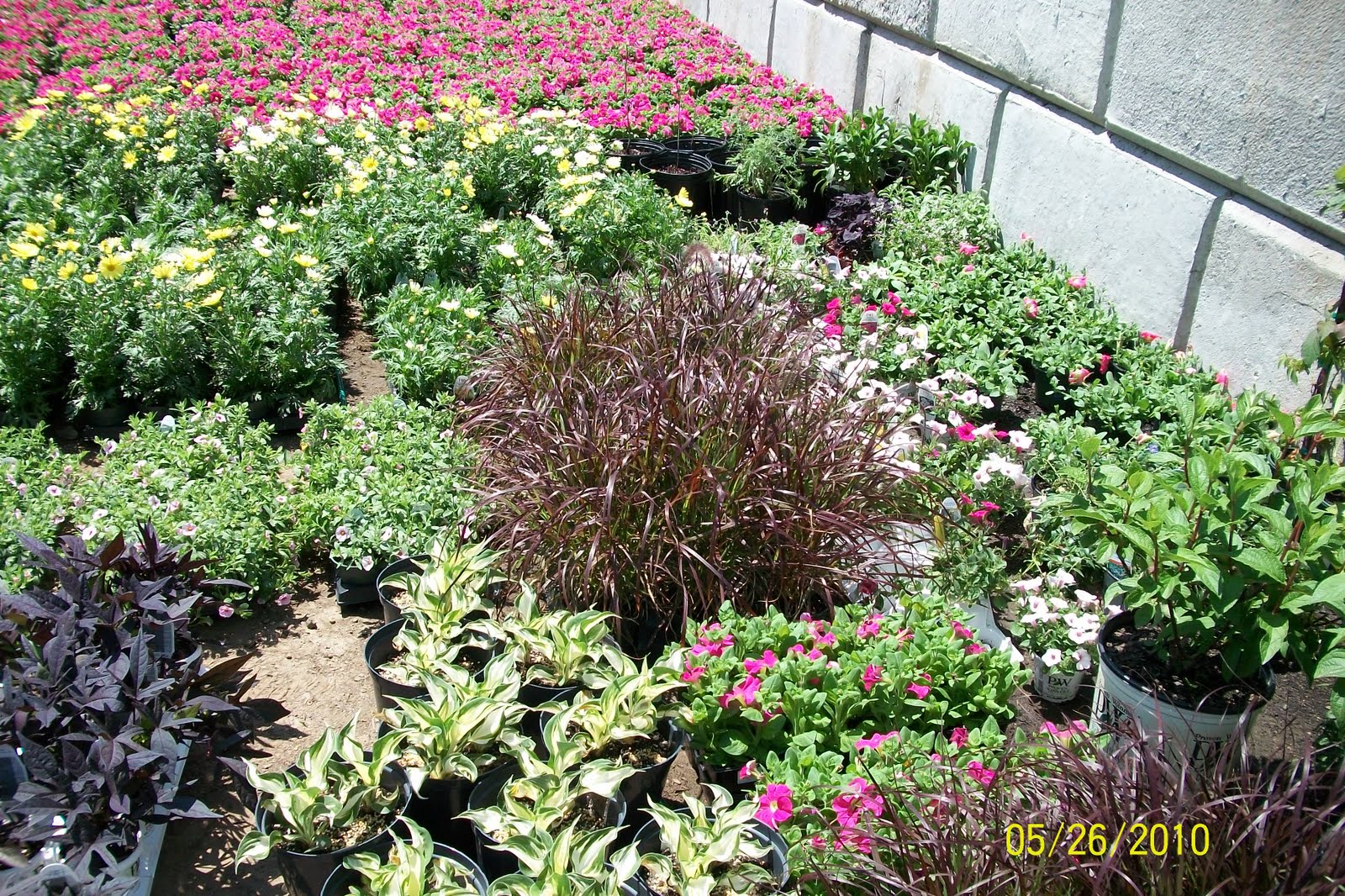
Lauren received a large shipment of flowers at the shop on Wednesday. Before she installed them all, she shared with us a little about what she ordered and how she’ll use them.
Monday, May 24, 2010
Container Gardens

Tuesday, May 18, 2010
Opening Your Irrigation for the Summer
If you’ve survived another cold winter in the Northeast, you are probably excited to break out the shorts and get the sprinkler system fired up for the summer. But it’s not as easy as just turning on the water. There are several simple steps to follow to start up your system for the spring.
Friday, May 14, 2010
Selecting a Landscape Contractor for Homeowners
Yesterday we gave tips for selecting a landscape contractor for condos and homeowner associations, but what if you are a homeowner looking for help in the yard?
Did you know that landscaping will add 7-15% to the value of your home? On average, this signifies 100% to 200% return on landscaping investments! Landscape projects can be complex, expansive and expensive, so hiring the right firm is essential. But what are the steps to choosing the right company? We’ve outlined them below:
Did you know that landscaping will add 7-15% to the value of your home? On average, this signifies 100% to 200% return on landscaping investments! Landscape projects can be complex, expansive and expensive, so hiring the right firm is essential. But what are the steps to choosing the right company? We’ve outlined them below:
Wednesday, May 12, 2010
Selecting a Landscape Contractor for HOAs & Condos
A large portion of our clients are condominium & apartment complexes and Homeowner Associations, so we thought it might be helpful to share some information about how to select a landscape contractor in those situations.
Tuesday, May 11, 2010
Rejuvenating Your Existing Landscape
Not looking for a huge outdoor overhaul this year? Here are a few simple ideas to update your yard.
Overgrown Landscapes
Are your trees and shrubs becoming overgrown or in need of a little TLC? You’ll be surprised what a few hours of appropriate pruning can do to rejuvenate your existing landscape! Not only are you bringing your landscape back to proportion with your home, but you’re also increasing the health and vitality of the plant material with just a little extra attention.


More ideas after the jump...
Overgrown Landscapes
Are your trees and shrubs becoming overgrown or in need of a little TLC? You’ll be surprised what a few hours of appropriate pruning can do to rejuvenate your existing landscape! Not only are you bringing your landscape back to proportion with your home, but you’re also increasing the health and vitality of the plant material with just a little extra attention.
Before and after a dormant pruning


More ideas after the jump...
Thursday, April 29, 2010
Enhancements
Take a look at a couple recent TGK projects.
Deck Planting
Before:

Design:

After:

Click the link below to see one more great TGK project!
Deck Planting
Before:

Design:

After:

Click the link below to see one more great TGK project!
Tuesday, April 27, 2010
Mulch, Mulch, Mulch!

Click the link below to learn more about mulch!
Friday, April 16, 2010
Soil Testing
One of the most important lawn projects any homeowner takes on is fertilizing. With a recommended application of 4 times per year, the process is time consuming if you do it yourself or expensive if you have your landscaper do it. So what’s the most important factor in a successful fert program? The pH level of your soil. Fertilizer works best when the soil pH is 7.0. New England is known for having acidic soil, especially where oak and pine trees grow. So how do you figure out the pH level of your soil and how do you fix it? The answer is soil testing; not a service you hear a lot about, but one that can make all the difference in your landscape.
Friday, April 9, 2010
Friday Landscape Tips from TGK
Here's the first in our new Friday Tips series. If you have questions or need advice on a specific topic, leave us a comment and we'll get you an answer!
One of the first things you should plan in the spring is rake your lawn. Raking is one of the most beneficial factors in having a healthy lawn. Raking removes any matter that may be embedded in the grass that will prohibit new growth (like acorns, pine cones, pine needles, sticks and branches). It also removes thatch (a mat of undecomposed material). Although having a thin layer of thatch is always a good thing, a thick layer will suffocate your grass. It will also make it more difficult for water and nutrients to make it deep into the roots, where it is vital to have a strong and healthy lawn. Having raked your lawn, you now have “opened” up the barrier at the base of the grass to let the sunshine and nutrients work their magic.
One of the first things you should plan in the spring is rake your lawn. Raking is one of the most beneficial factors in having a healthy lawn. Raking removes any matter that may be embedded in the grass that will prohibit new growth (like acorns, pine cones, pine needles, sticks and branches). It also removes thatch (a mat of undecomposed material). Although having a thin layer of thatch is always a good thing, a thick layer will suffocate your grass. It will also make it more difficult for water and nutrients to make it deep into the roots, where it is vital to have a strong and healthy lawn. Having raked your lawn, you now have “opened” up the barrier at the base of the grass to let the sunshine and nutrients work their magic.
Friday, April 2, 2010
Spring is here!
If you live in the Northeast, you most likely intend to spend your Easter weekend outside, drying out from the record rain we've seen over the last month. Want to tackle the yard? Here are some do's and don'ts for getting your yard in shape from The GroundsKeeper:
- Don't do any yard work if your lawn is soggy or saturated; let it dry out. If you start too soon, you run the risk of doing more damage than good.
- Do take pictures of any areas in your yard where you had standing water (or still have it). Now is the time to plan drainage construction projects to help prevent these issues in the future, and pictures will help your contractor.
 Do clean the winter and fall debris from your lawn and beds.
- Do rake your lawn - if you clean up piles on your lawn, you'll prevent yellow spots from forming.
- Do clean out any organic materials from around the new shoots on perennials.
- Do plant pansies! Add a little color to your yard with these great spring flowers.
- Don't put grass seed down on any bare spots on your lawn. The ground temperature hasn't warmed up enough for the seed to germinate.

Whether or not you decide to start any yard projects this weekend, make sure you get out and enjoy the sunshine! If you'd like to schedule a spring clean-up or would like a free estimate on any of our lawn services, call us at 508-881-4136, send us an email at info@groundsinc.com, or visit our website at http://www.groundsinc.com/. Happy Spring!
Subscribe to:
Posts (Atom)


